AGP Executive Report
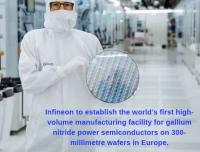
Last update: 10 hours agoSemiconductors: Infineon will invest about €1.1 billion at its Villach site to build Europe’s first high-volume production line for 300-mm gallium nitride power chips, with production due by the end of 2027. The European Commission has approved €319 million in state aid. Medical Research: A CeMM-led team has created the first comprehensive atlas of blood-vessel aging, analyzing gene activity in more than 375,000 cells across 12 tissues. The findings could guide research into age-related disease and vascular repair. Chip Packaging: Silicon Austria Labs has acquired a photonic debonding system to support research into advanced semiconductor packaging and integration. AI and Health: Vienna-based OptimusFlow has turned research from 339 surveys, interviews and focus groups in 11 countries into seven AI patient personas for training and communication testing in hypertrophic cardiomyopathy care. Worker Privacy: Privacy group noyb has filed complaints in Austria and three other countries over alleged tracking of Scale AI’s freelance workers, including keystroke and mouse monitoring. Regulators have yet to rule on the allegations.
Note: AI summary from news headlines; neutral sources weighted more to help reduce bias in the result. Feedback is welcome. Please let us know if you have any comments or suggestions about the AGP Executive Report.



 Perspectify News